
What Equipment Upgrades Actually Improve Hay Quality the Most?
Hay quality isn’t just about weather and timing — it’s also about how your equipment handles the crop from cutting to storage. While new machinery can be expensive, some upgrades deliver measurable improvements in forage value, while others mainly improve convenience.
This guide breaks down which equipment upgrades truly protect hay quality — and which ones matter less than most producers think.
Why Equipment Choice Matters for Premium Hay
Every pass across the field exposes hay to:
- Leaf shatter
- Mechanical loss
- Soil contamination
- Uneven drying
Premium buyers — especially horse owners — pay for color, softness, cleanliness, and nutrition, all of which are directly influenced by equipment performance.
Equipment Upgrades That Deliver the Biggest Quality Gains
HModern Disc Mowers With Adjustable Cutting Height
Consistent cutting height protects plant crowns and improves uniform regrowth while reducing dirt pickup.
Quality benefits:
- Cleaner forage
- Faster regrowth
- Better second and third cuttings
Roller or Flail Conditioners
Conditioners crack stems without shredding leaves, allowing hay to dry evenly and quickly.
Quality benefits:
- Reduced rain risk
- Improved color retention
- Better leaf-to-stem balance
Wide Swath Capability
Machines that lay hay in a wide swath expose more surface area to sunlight and airflow.
Quality benefits:
- Faster dry-down
- Less raking required
- Reduced leaf loss
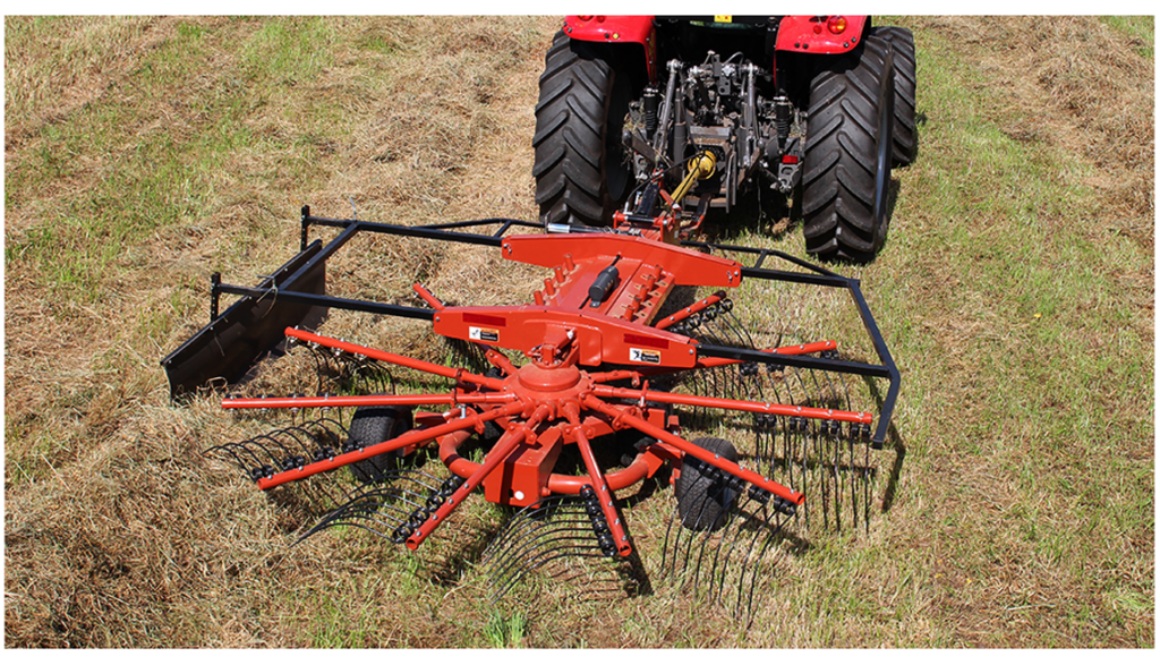
Modern Rakes Designed for Leaf Retention
Older wheel rakes can aggressively flip hay, especially in dry conditions.
Upgrade advantage:
- Gentler handling
- Lower ash content
- Cleaner bales
Rotary and belt rakes are especially effective for premium hay markets.
Precision Balers With Density Control
Uniform bale density protects leaves and improves storage stability.
Quality benefits:
- Reduced mold risk
- Improved appearance
- Easier stacking and transport
Equipment That Improves Efficiency — Not Quality
Not every upgrade translates into better hay.
Examples include:
- Larger tractors without improved attachments
- Faster balers that increase leaf loss
- High-speed tedders used too aggressively
Efficiency is valuable, but quality suffers when speed overrides crop protection.
Maintenance Often Matters More Than New Equipment
Even top-tier equipment won’t improve hay quality if it’s poorly maintained.
Focus on:
- Sharp knives
- Proper conditioner tension
- Level rake settings
- Clean baler pickup teeth
Routine calibration often delivers better results than new purchases.
Matching Equipment to Your Target Buyer
Different markets reward different qualities:
- Horse hay buyers value softness, leaf retention, and color
- Dairy operations prioritize consistency and digestibility
- Export buyers demand uniform bales and cleanliness
Upgrading equipment without aligning it to your buyer can limit returns.
Final Thoughts
The best equipment upgrades don’t just make hay faster — they make it better. Investments that reduce leaf loss, speed drying naturally, and minimize soil contamination consistently deliver higher-quality hay and stronger buyer loyalty.
Premium hay is produced by protecting the crop at every step, not overpowering it.
🔗 External Resources (Authoritative)
- University forage equipment performance studies
- Extension publications on hay conditioning and drying
- USDA forage handling best practices