
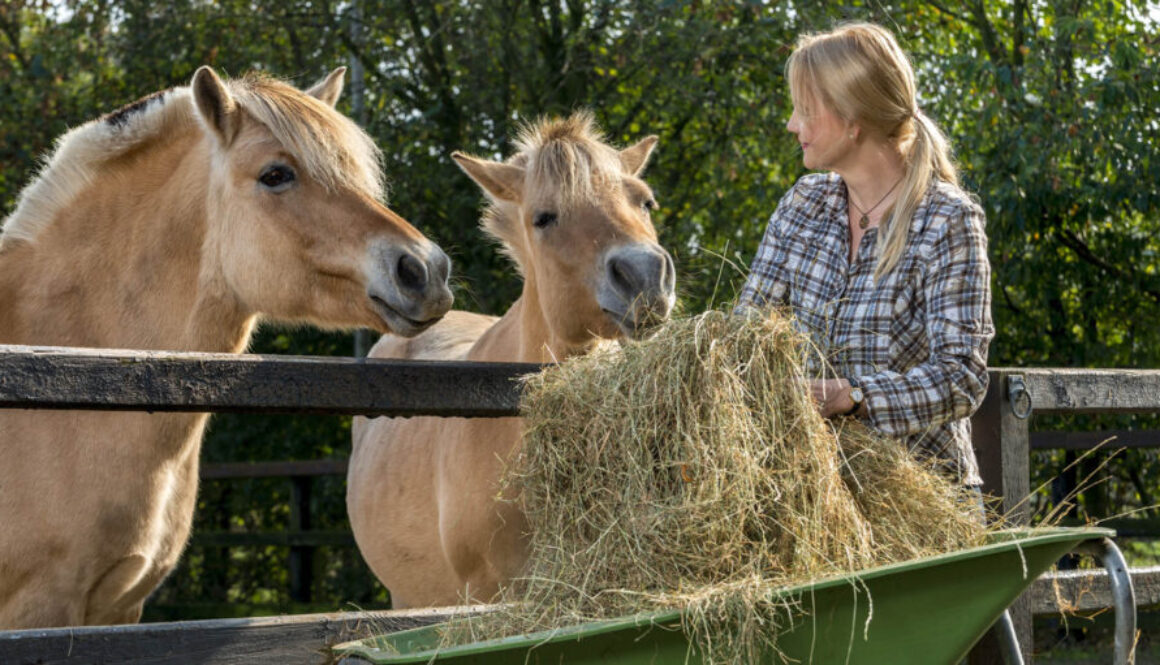
How to Create a Hay Nutrition Profile That Appeals to Horse Owners
Horse owners are among the most selective hay buyers in the market. While livestock producers may prioritize volume or energy, horse owners focus on safety, consistency, and nutritional balance.
If you want repeat business and premium pricing, you need more than good-looking hay — you need a clear, trustworthy nutrition profile that matches how horse owners evaluate forage.
Why Nutrition Profiles Matter More in the Horse Hay Market
Horse owners often manage:
- Metabolic disorders
- Performance diets
- Easy keepers
- Senior horses
Because of this, they rely heavily on forage analysis to make buying decisions. A missing or vague nutrition profile is often a deal-breaker.
Key Nutritional Metrics Horse Owners Care About Most
Non-Structural Carbohydrates (NSC)
NSC is one of the first numbers many horse owners look for.
Lower NSC hay is preferred for:
- Laminitic horses
- Insulin-resistant horses
- Easy keepers
Providing this value builds immediate buyer confidence.
Crude Protein (CP)
Horse owners typically prefer moderate protein levels, not extremes.
- Too low: poor muscle and coat condition
- Too high: unnecessary cost and waste
Consistency across loads matters more than hitting a specific number.
Fiber Levels (ADF & NDF)
Fiber values influence:
- Digestibility
- Gut health
- Feeding rates
Balanced fiber supports steady energy without excess sugars.
Mineral Balance
While many owners supplement minerals separately, they still want to know:
- Calcium and phosphorus levels
- Potassium content
- Overall ash percentage
Clear mineral reporting signals professionalism.
How to Build a Horse-Friendly Hay Nutrition Profile
Test Every Cutting Separately
Horse owners expect transparency. Blending results across cuttings reduces trust.
Use Consistent Sampling Methods
Poor sampling leads to unreliable numbers — and disappointed buyers.
Best practices include:
- Multiple core samples per lot
- Clean sampling tools
- Proper sample storage
Present Results Clearly
Avoid overwhelming buyers with raw data alone.
Consider including:
- A summary sheet
- Plain-language explanations
- Feeding suitability notes
Education increases perceived value.
What Horse Owners Infer From Your Nutrition Data
A clear nutrition profile tells buyers that you:
- Understand their horses’ needs
- Value consistency
- Take quality seriously
This often matters as much as the numbers themselves.
Common Mistakes That Turn Horse Buyers Away
- No NSC data
- Inconsistent results between loads
- Old or reused test reports
- Dismissing nutrition questions
Horse buyers remember poor experiences — and they share them.
Final Thoughts
Creating a hay nutrition profile that appeals to horse owners isn’t about chasing perfect numbers. It’s about consistency, transparency, and communication.
Producers who treat nutrition data as a selling tool — not an afterthought — earn loyalty, referrals, and premium pricing.
🔗 External Resources (Authoritative)
- University extension horse nutrition guides
- Equine forage testing interpretation resources
- Forage analysis laboratory education materials